Designing for a circular future requires informed choices. IDSA’s Circular Design Case Studies are provided to guide, deepen, and enrich your practice.
1. RETHINK
Design for serviceability, not ownership
This case study shows how Signify shifts from selling lighting products to providing “light as a service,” designing systems that prioritize maintenance, upgrades, and long-term performance over one-time ownership.
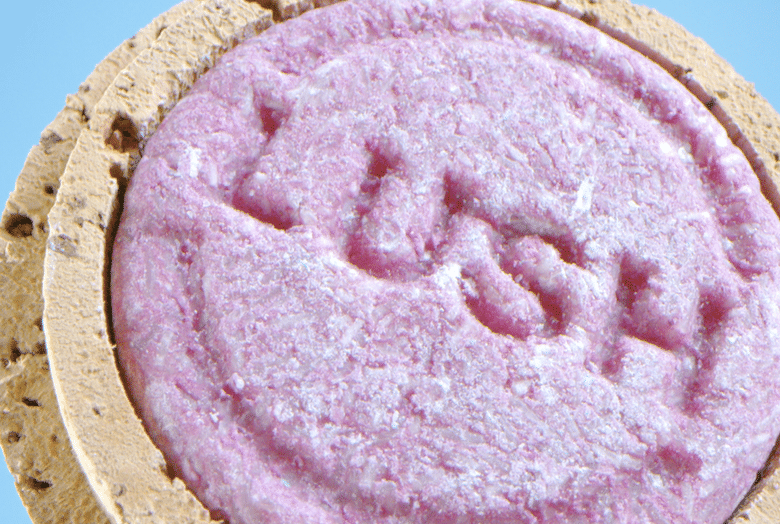
Lush demonstrates how product formulation can eliminate the need for packaging entirely, using solid and “naked” products to refuse waste at the source.
Unilever highlights how advanced design and simulation tools can reduce material use and environmental impact while maintaining product performance and scalability.
Algramo reimagines reuse by building a distribution and refill system that makes returning and refilling packaging convenient, affordable, and scalable for everyday consumers.
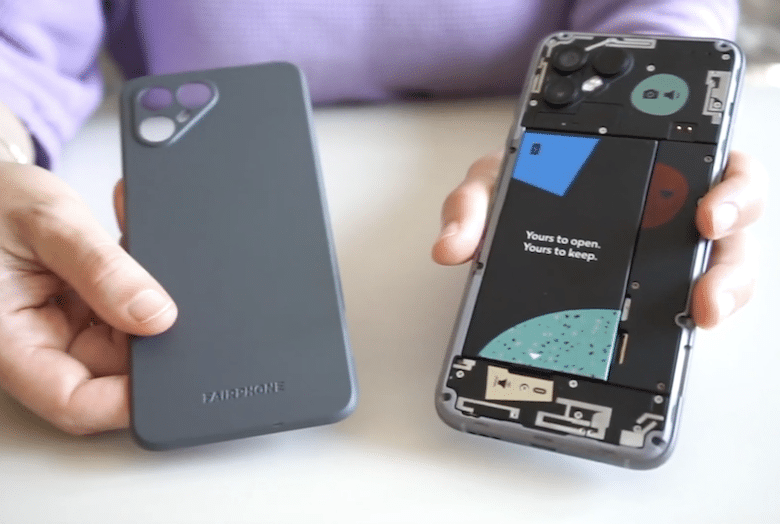
Fairphone designs smartphones with modular components that users can easily replace, supporting repairability and extending product lifespan while advocating for systemic change in electronics.
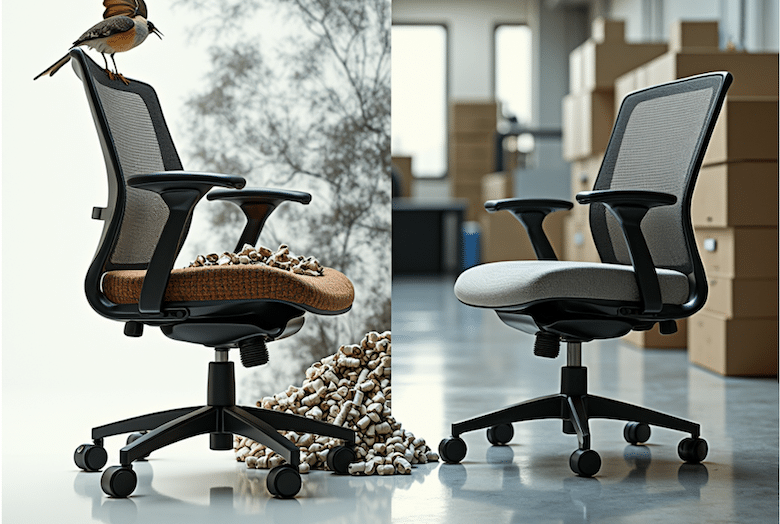
Herman Miller demonstrates how durable design, timeless aesthetics, and standardized components enable furniture to be refurbished and reintroduced with significantly lower environmental impact than new production.
Design for multiple lifecycles (sacrificial layers)
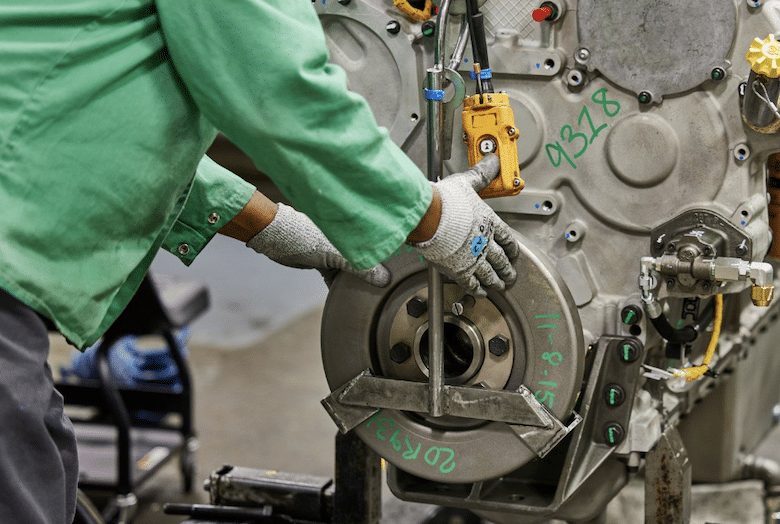
Caterpillar’s remanufacturing program shows how products can be engineered for disassembly and renewal, with core components restored and reused across multiple lifecycles.
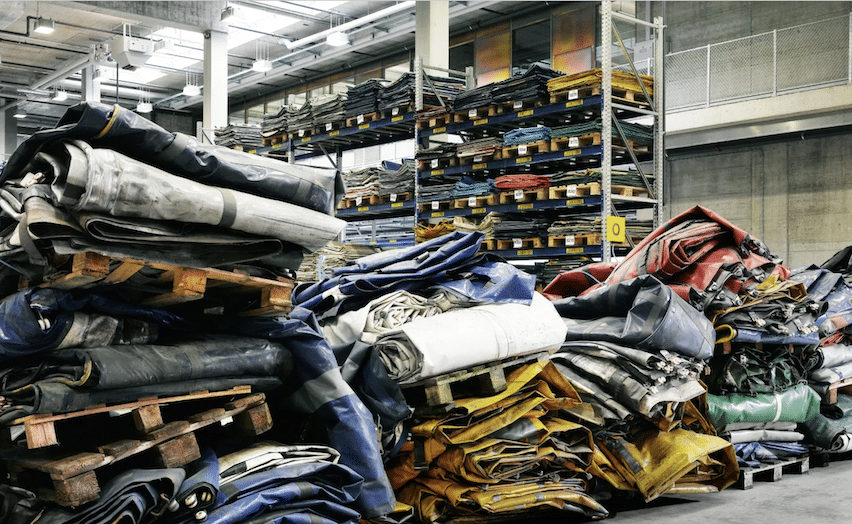
Freitag transforms discarded truck tarps and other materials into durable consumer products, demonstrating how waste streams can become valuable inputs for new design applications.
Adidas explores how designing products from a single material simplifies recycling, enabling true closed-loop systems where products can be continuously broken down and remade.
This collection of case studies illustrates how some companies are embedding the principles of circular design in their process. They show that by taking a systems-thinking approach, products and materials can circulate for longer and avoid becoming waste, while also regenerating nature.
1. RETHINK
Headphones as a service
This case study highlights Repeat, a modular headphone company that uses a subscription-based “headphones-as-a-service” model to eliminate electronic waste. By rethinking ownership, the company maintains control of the materials and utilizes durable, standardized components that are easy to repair and 85% reusable.
Ecovative refuses to use traditional petroleum-based plastics by instead “growing” fully compostable packaging from agricultural waste and mushroom mycelium. This natural alternative mimics the protective properties of polystyrene while ensuring that, instead of becoming permanent plastic waste, the packaging can be safely returned to the soil as a nutrient at the end of its life.
As the world’s largest online resale marketplace, thredUP helps reduce the demand for new clothing production by keeping millions of pre-loved items in active use. By displacing the need for virgin materials and traditional retail manufacturing, the platform significantly lowers the fashion industry’s environmental footprint, reducing carbon emissions, water consumption, and textile waste on a massive scale
A reusable drinks bottle design for multiple brands
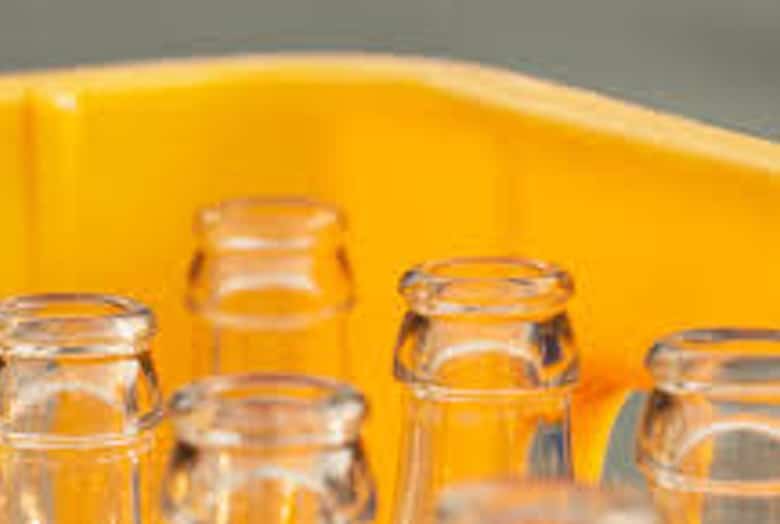
The Universal Bottle is a standardized, reusable PET bottle designed for use across multiple Coca-Cola brands, allowing the same container to be collected, cleaned, and refilled for different products. This shared reuse system significantly cuts plastic waste and carbon emissions by keeping bottles in circulation for up to 25 cycles, effectively replacing billions of single-use containers each year.
Designing for a circular economy has more than one solution
This case study features the Agency of Design’s “Design out Waste” project, which illustrates that there is no “one-size-fits-all” model by creating three distinct toaster prototypes aimed at different repair and longevity strategies. While the “Optimist” model uses durable materials and visible bolts to encourage easy DIY repair, other designs focus on modularity and automated disassembly to ensure that even low-cost electronics can be effectively serviced or recovered.
Deartree prevents office furniture from entering the waste stream by recovering mid-to-high-end items from enterprises and putting them through a professional refurbishment process that includes cleaning, disinfection, and performance testing. By restoring these products to an “as-new” condition and offering them with a warranty, the company ensures that the embodied value of desks and chairs is preserved and circulated through multiple life cycles.
Reducing waste by designing with existing materials
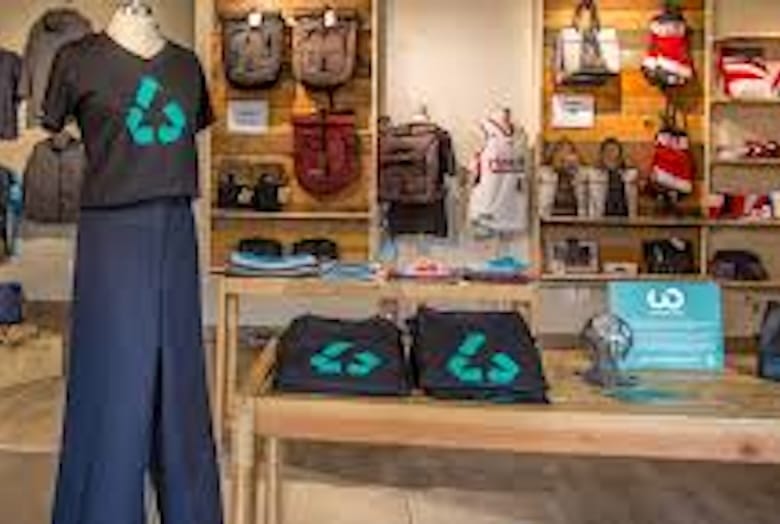
Looptworks partners with global brands to rescue high-quality textile waste, such as leather seat covers from airlines or excess athletic jerseys, and repurposes them into premium, limited-edition accessories. By creatively transforming these pre-existing materials into new products like bags and wallets, the company extends the life of valuable resources that would otherwise be destined for the landfill or incineration.
Finding rare earth elements above ground, not underground
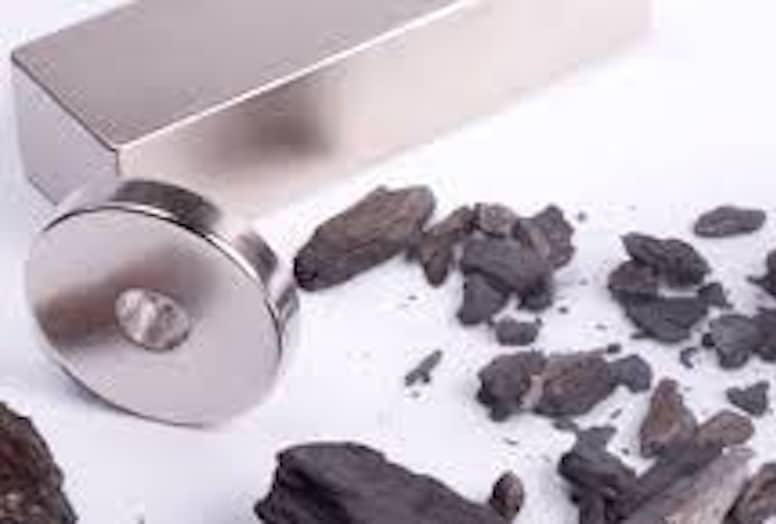
Noveon (formerly Urban Mining Company) eliminates the need for environmentally damaging mining by using a patented process to recycle high-performance neodymium magnets from end-of-life electronics back into new, high-quality magnets. This “Magnet-to-Magnet” approach creates a sustainable, “above-ground” source of rare earth elements, reducing energy consumption by up to 91% compared to traditional extraction methods.